
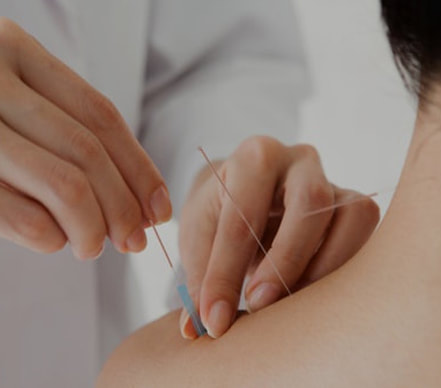
Are you curious about how Acupuncture Work Scientifically ?
Learn how the biomedical model provides a modern understanding of acupuncture’s impact on the human body and its fonctions, including pain relief, mental well-being, and hormonal regulation.
Discover how this ancient practice is supported by rigorious scientific research and can be an effective therapy for a wide range of health concerns.
How Does Acupuncture Work Scientifically?
With the publication of over 20 000 research studies, the acceptance of acupuncture has grown exponantially.
The biomedical view of acupuncture emphasises the role of the nervous system, hormones and other physiological processes in the body’s response to acupuncture.
It proposes that stimulating acupuncture point can trigger various reactions in the body, including releasing natural pain-relieving chemicals, modulatong the immune system, and regulating the autonomic nervous system.
The biomedical model of acupuncture has transformed acupuncture from a practice steeped in ancient beliefs to a scientifically-grounded complementary thérapie.
This Biomedical approach allows us to study acupuncture througt the lens of neurophysiology, exploring how the body’s nervous system and other physiological systems respond to the insertion of very thin needles at specific acupuncture points.

Researchers have discovered neurons needed for acupuncture’s anti-inflammatory response.
Acupuncture is a traditional Chinese technique that has been used for millennia to treat chronic pain and other health problems associated with inflammation.
In recent decades, acupuncture has been increasingly embraced in Western medicine as a potential treatment for inflammation.
A team of researchers led by neuroscientists at Harvard Medical School has elucidated the underlying neuroanatomy of acupuncture that activates a specific signaling pathway.
In a study conducted in mice and published Oct. 13 in Nature, the team identified a subset of neurons that must be present for acupuncture to trigger an anti-inflammatory response via this signaling pathway.
In this technique, acupoints on the body’s surface are mechanically stimulated, triggering nerve signaling that affects the function of other parts of the body, including organs.
This study touches on one of the most fundamental questions in the acupuncture field: What is the neuroanatomical basis for body region, or acupoint, selectivity?

HEALTH BENEFITS OF ACUPUNCTURE

COMPLETLY HEALTHY ACUPUNCTURE